In today’s fast-paced world, many people are searching for something deeper — a sense of clarity, protection, and inner strength when facing life’s challenges.
One powerful symbol that continues to inspire millions across cultures is Ganesha, widely known as the Remover of Obstacles and the Lord of New Beginnings.
But who is Ganesha really?
Why is he so deeply respected in Hinduism?
And why do so many people choose to keep Ganesha in their living spaces today?
Let’s explore the meaning, story, and symbolism of Ganesha — in a way that feels relevant to modern life.
Who Is Ganesha?
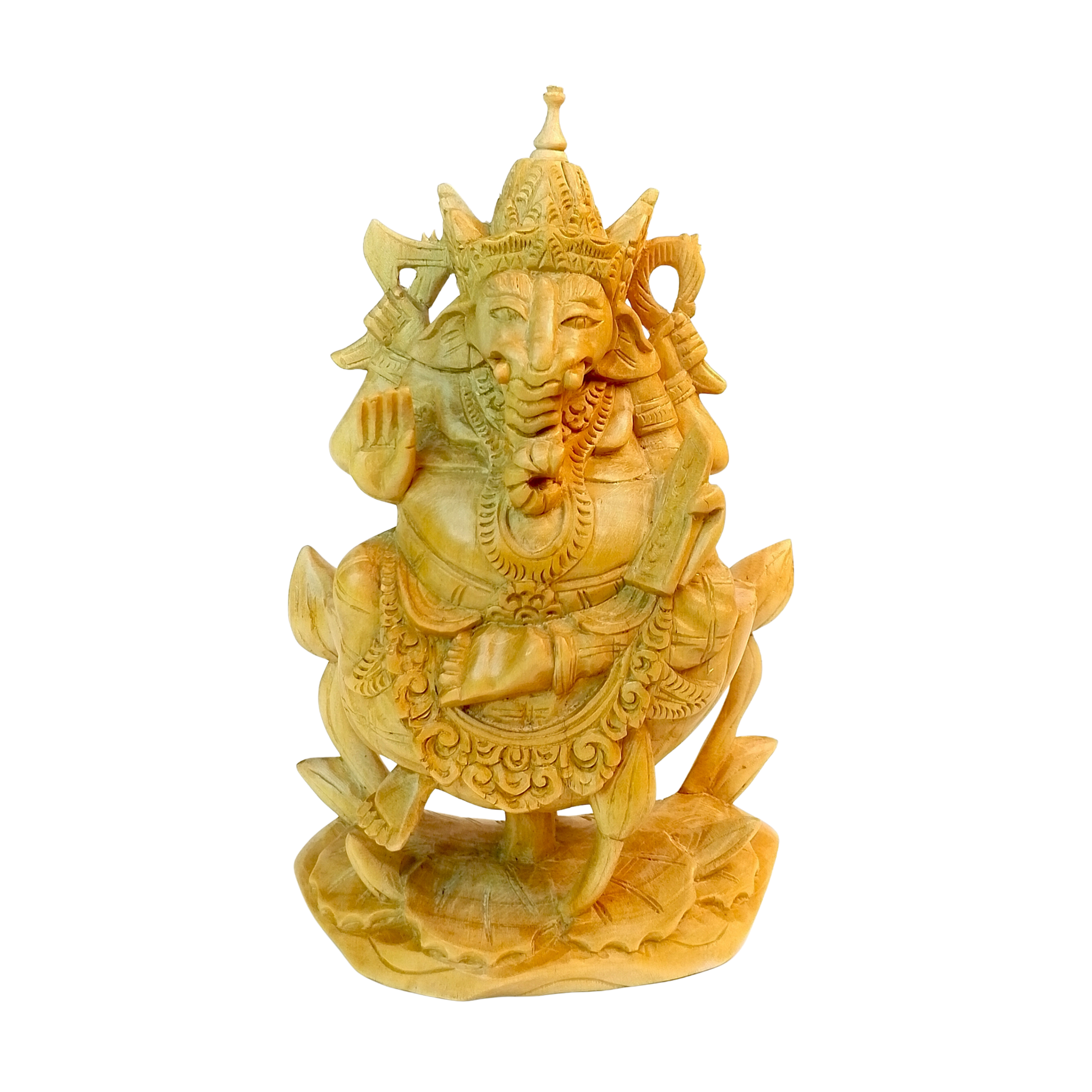
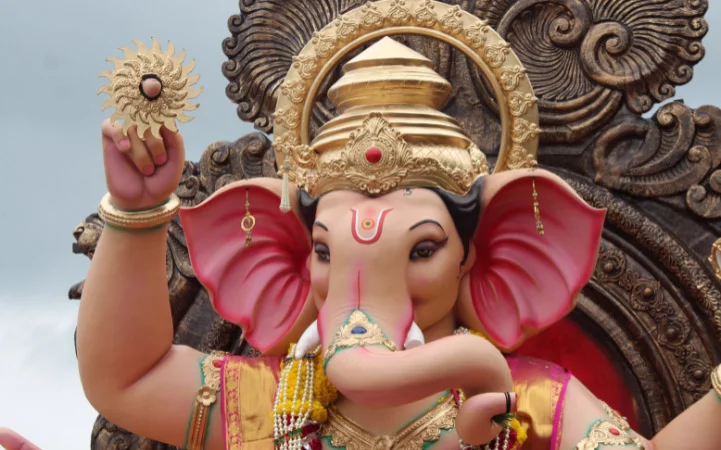
Ganesha is one of the most beloved figures in Hinduism, instantly recognized by his elephant head and calm, grounding presence.
He is often associated with:
- Wisdom and intelligence
- Protection and guidance
- New beginnings and opportunities
- Inner clarity and balance
In many traditions, Ganesha is honored before starting something new — a quiet way of inviting clarity and removing unseen obstacles.
The Story of Ganesha: A Meaningful Origin
The story of Ganesha’s birth carries deep emotional meaning.
Parvati created him out of love, asking him to guard her space.
When Shiva returned and was stopped by the boy, a misunderstanding turned into a moment of anger that changed everything.
What followed was not just loss, but transformation.
By restoring Ganesha with an elephant head, Shiva didn’t just bring him back — he gave him a new purpose.
A role that would make him one of the most meaningful symbols in spiritual life: the one who helps us move forward.
The Symbolism of Ganesha (A Philosophy of Life)
Every part of Ganesha’s form reflects a deeper life lesson:
- Elephant Head → See the bigger picture with wisdom
- Large Ears → Listen deeply before reacting
- Flexible Trunk → Adapt to both big and small challenges
- Round Belly → Accept life fully, without resistance
- Broken Tusk → Embrace imperfection and turn it into strength
- Mouse Companion → Stay in control of desires and impulses
These symbols are not just religious — they quietly guide how we live, think, and respond to the world.
Why Ganesha Is Called the Remover of Obstacles
Ganesha’s role is often misunderstood.
He doesn’t remove every difficulty from life.
Instead, he represents the ability to move through obstacles with clarity and wisdom.
In many ways, the “obstacles” he helps remove are internal:
- Fear
- Doubt
- Overthinking
- Emotional imbalance
And when those are cleared, the external path often becomes easier too.
Ganesha in Modern Living Spaces
Today, Ganesha is not only found in temples, but also in homes, workspaces, and creative studios.
Not always for religious reasons — but because of what he represents.
A sense of:
- Calm in a busy environment
- Balance in decision-making
- Gentle reminders to pause and reflect
It’s not uncommon to see Ganesha placed in a quiet corner, a desk, or an entryway — simply as a presence that grounds the space.
Ganesha as Timeless Art
Beyond meaning, Ganesha is also deeply appreciated as art.
His form holds a unique balance:
Strong, yet gentle
Playful, yet wise
Detailed, yet harmonious
From traditional carvings to modern interpretations, his figure continues to evolve — while still carrying the same essence.
For those who appreciate objects with story and soul, Ganesha often becomes more than decoration.
He becomes part of the space’s identity.
Interestingly, you’ll notice that in places that curate meaningful objects — like artisan collections or cultural gift spaces — Ganesha often appears not as a centerpiece of religion, but as a symbol of thoughtful living.
One example is collections you might come across at places like Daun The Gift Shop, where objects are chosen not just for how they look, but for how they feel within a space.
A Meaningful Gift That Speaks Without Words
Because of its universal message, Ganesha is often chosen as a gift.
Not in an overly symbolic way, but in a quiet, thoughtful one.
It can mean:
- “I wish you clarity in your journey”
- “May things unfold more smoothly for you”
- “Stay grounded, no matter what comes”
That’s why it fits so naturally into moments like:
- New homes
- New ventures
- Personal milestones
It doesn’t need explanation.
The meaning is felt.
Bringing Ganesha Into Your Space
Choosing a Ganesha piece is often a personal experience.
Some are drawn to traditional forms.
Others prefer something more modern and minimal.
What matters most is not how elaborate it is — but how it resonates with you.
Many people naturally gravitate toward pieces that feel balanced, calm, and thoughtfully made.
The kind of objects you might notice when browsing through curated collections such as Daun The Gift Shop, where each item carries a certain quiet intention.
Conclusion: The Quiet Presence of Ganesha
Ganesha’s story is not just about mythology.
It reflects something deeply human:
- Mistakes
- Growth
- Healing
- Transformation
And most importantly — the ability to begin again.
Whether seen as a spiritual figure, a philosophical symbol, or simply a meaningful work of art, Ganesha continues to resonate across time because of one simple truth:
We all face obstacles.
And we all need a little wisdom to move through them.
FAQ About Ganesha
- What does Ganesha symbolize?
Wisdom, protection, and the ability to overcome obstacles. - Why is Ganesha important in Hinduism?
He is honored as the deity of beginnings and is believed to guide and protect life’s journey. - Is it good to keep Ganesha at home?
Many people feel it brings a sense of calm, clarity, and balance. - Can Ganesha be given as a gift?
Yes, it is often chosen as a meaningful and thoughtful gift for important life moments.